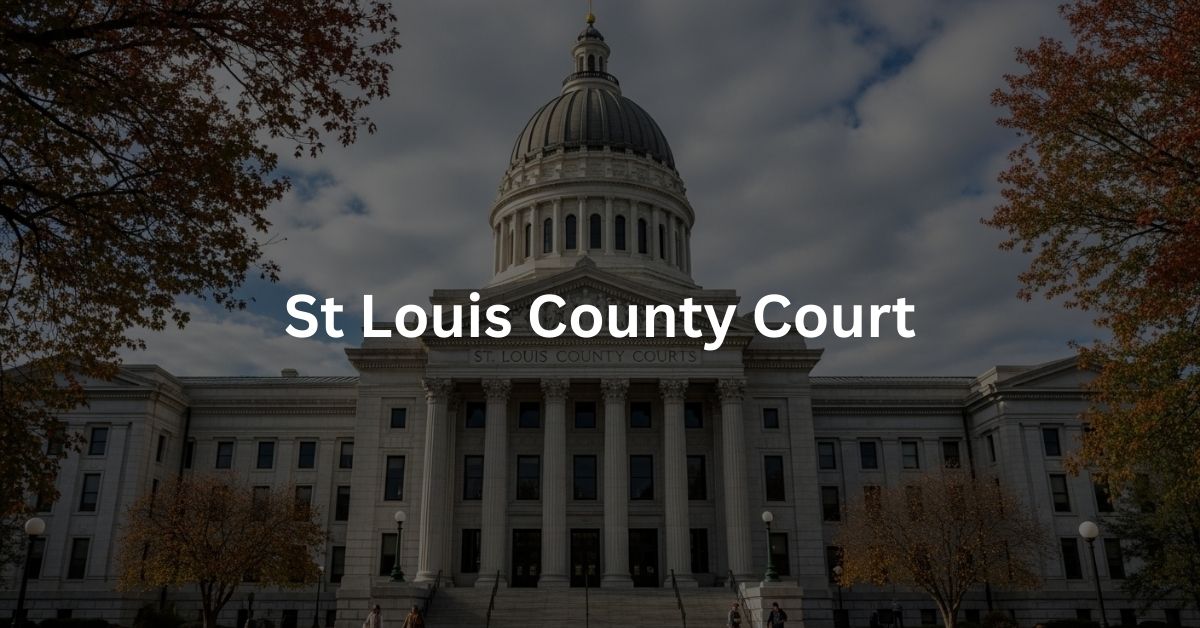
St Louis County Court serves as the primary trial court for residents and businesses in St. Louis County, Missouri. It operates within the 21st Judicial Circuit of the Missouri judiciary and handles civil, criminal, family, and probate cases at the St Louis County Courthouse. The court provides a structured forum for resolving disputes and enforcing state laws. It plays a central role in maintaining fairness, due process, and public accountability.
The St Louis County Court manages thousands of case filings each year across multiple court divisions. Judges apply Missouri statutes, Supreme Court rules, and local procedures to maintain consistent legal standards. The St Louis County Courthouse in Clayton serves as the main administrative and courtroom location for hearings and jury trials. Through organized case management systems and public record services, the court supports transparency and community trust.
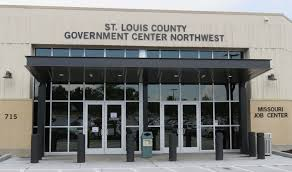
How to Search St Louis County Court Records
St Louis County court records can be found online through the official Missouri court system website or by visiting the courthouse in person. Most searches begin on Missouri Case.net, where users can complete a case file lookup using a case number or party name.
Anyone looking for st louis county court records needs clear steps and the correct official website. This section explains exactly where to search, what details are required, and how to request copies for criminal & civil records.
Official Court Websites
All Missouri circuit courts use the same statewide system. The official public search platform is:
Missouri Case.net (Official Portal):
https://www.courts.mo.gov/casenet
This portal is managed by the Missouri Judiciary and covers St. Louis County cases. For courthouse details, office hours, and clerk contact information, visit:
St. Louis County Circuit Court (Official Site):
https://www.courts.mo.gov/page.jsp?id=132
The online portal works 24/7. The courthouse handles in-person requests during business hours.
Search by Case Number
A case number search gives the fastest and most accurate results. This method works best when the full case number appears on a ticket, court paper, or legal notice.
Steps process:
- Visit https://www.courts.mo.gov/casenet
- Click “Case Number Search.”
- Enter the complete case number.
- Select St. Louis County from the location list.
- Choose the correct division (Circuit, Associate Circuit, Municipal, Family Court, Probate).
- Click search and review docket entries.
- Download available documents or submit a document request.
Docket entries show:
- Filing date
- Charges or claims
- Hearing dates
- Motions filed
- Case status
- Final judgment
Search by Party Name
If the case number is unknown, users can search by a person or business name.
Steps for party name search:
- Go to Missouri Case.net.
- Select “Litigant Name Search.”
- Enter the first and last name.
- Narrow the court location to St. Louis County.
- Filter by filing date or case type if needed.
- Review the results list.
Common names often produce many matches. Adding a middle initial or selecting a date range reduces confusion.
Name searches work for:
- Defendants
- Plaintiffs
- Respondents
- Petitioners
- Business entities
Search Criminal Records
Criminal records include felony charges, misdemeanors, traffic cases, probation violations, and municipal offenses filed in St. Louis County. To search criminal & civil records correctly, users must choose the right case category.
Criminal search steps:
- Visit the official portal.
- Select Case Number Search or Litigant Name Search.
- Choose criminal case types.
- Select St. Louis County.
- Review docket details.
Criminal records often display:
- Charge descriptions
- Case status (open, closed, dismissed)
- Court appearances
- Bond information
- Sentencing details
Sealed or expunged cases do not appear in public filings. Older archived files may require contact with the clerk’s office.
Search Civil Records
Civil records cover lawsuits, contract disputes, landlord-tenant cases, small claims, family court matters, probate cases, and judgments.
The search steps mirror criminal searches:
- Open Missouri Case.net.
- Enter case number or party name.
- Select St. Louis County.
- Choose civil division.
- Review docket entries and filings.
Civil records may include:
- Petitions and complaints
- Motions and responses
- Court rulings
- Judgments and settlements
- Garnishment orders
Large PDF files sometimes require a document request through the clerk.
Request Certified Copies
Certified copies are official court documents stamped and signed by the clerk. These copies are often required for legal filings, employment checks, or appeals.
How to request certified copies:
- Find the case using the online portal.
- Write down the full case number.
- Contact the St. Louis County Circuit Clerk’s Office.
- Submit a certified copies request in person, by mail, or through written form.
- Pay the required fee per page plus certification cost.
Fee schedules are listed on the official court website. Processing times depend on the number of pages requested.
Mail requests should include:
- Case number
- Party name
- Contact information
- Payment method
Incomplete details may delay the request.
In-Person Record Access
Some users prefer courthouse assistance. In-person record access is available at: https://www.courts.mo.gov/casenet
At the courthouse, visitors can:
- Use public computer terminals
- Ask clerk staff for help locating a case
- Submit written document requests
- Order certified copies directly
Structure of the Missouri Judicial System
The Missouri judicial system follows a clear three-level structure: the Supreme Court, the Court of Appeals, and the Circuit Courts. Each level plays a defined role in the state’s legal system, with trial courts handling most cases and higher courts reviewing appeals.
The Missouri judiciary is organized to manage criminal, civil, family, and municipal matters across the state. Missouri has 46 judicial circuits, each serving specific counties. St. Louis County operates as the 21st Judicial Circuit, which gives it its own circuit court structure and court administration.
Supreme Court of Missouri
At the top of the legal system sits the Supreme Court of Missouri. This court is the highest authority in the state judiciary.
The Supreme Court:
- Reviews decisions from the Court of Appeals
- Handles cases involving the Missouri Constitution
- Oversees attorney discipline
- Supervises the entire Missouri judiciary
The court consists of seven judges. It selects cases that involve major legal questions or statewide impact. Not every appeal reaches this level. The Supreme Court often focuses on issues that shape how laws are interpreted across Missouri.
Missouri Court of Appeals
Below the Supreme Court is the Missouri Court of Appeals. This court reviews decisions made by trial courts.
Missouri has three appellate districts:
- Eastern District
- Western District
- Southern District
St. Louis County falls under the Eastern District. When a party disagrees with a circuit court decision, they may file an appeal here. The Court of Appeals does not conduct new trials. Instead, it reviews legal errors, trial procedures, and interpretations of law. It may:
- Affirm the lower court ruling
- Reverse the decision
- Send the case back for further proceedings
This level plays a major role in maintaining consistency across Missouri’s legal system.
Circuit Courts (Trial Courts)
The foundation of the Missouri judiciary is the Circuit Court system. These courts are the primary trial courts where cases begin. Missouri has 46 judicial circuits, covering all counties in the state. Each circuit may include one or more counties. St. Louis County is designated as the 21st Judicial Circuit, which operates independently due to its population size.
Circuit Courts handle:
- Criminal cases (felonies and misdemeanors)
- Civil lawsuits
- Family law matters
- Probate cases
- Juvenile cases
Each circuit includes multiple circuit divisions to manage different case types efficiently.
Common circuit divisions include:
- Criminal Division
- Civil Division
- Family Court Division
- Probate Division
- Associate Circuit Division
Municipal Division
Within the circuit structure, many cities operate a Municipal Division. This division handles local ordinance violations.
Municipal courts process:
- Traffic violations
- City code violations
- Minor offenses under city law
In St. Louis County, municipal divisions fall under the authority of the 21st Judicial Circuit. They function within the broader circuit court framework. Municipal judges hear cases involving city-level charges, and defendants may request a trial or enter a plea. Appeals from municipal cases may move to higher courts within the circuit.
The 21st Judicial Circuit of Missouri
The 21st Judicial Circuit serves St. Louis County and functions as a Missouri trial court with full authority over local cases. As the St Louis County Circuit Court, it holds original jurisdiction, meaning it hears cases first before any appeal.
Missouri divides the state into judicial districts called circuits. There are 46 total circuits, and St. Louis County operates independently as the 21st Judicial Circuit. This structure allows the court to manage a large volume of criminal, civil, probate, and family cases within its defined court jurisdiction.
Court Structure and Trial-Level Authority
The St. Louis County Circuit Court is a constitutional court under the Missouri judiciary. It serves as a Missouri trial court, which means it handles cases from start to finish.
Its original jurisdiction covers:
- Felony and misdemeanor criminal cases
- Civil lawsuits of all dollar amounts
- Family court matters
- Juvenile proceedings
- Probate and estate cases
- Municipal ordinance appeals
Trial-level authority allows judges to hear evidence, rule on motions, conduct jury trials, and issue final judgments. Most legal disputes in St. Louis County begin here.
Number of Judges in the 21st Judicial Circuit
The 21st Judicial Circuit includes:
- 22 Circuit Judges
- 9 Associate Circuit Judges
This judicial structure reflects the county’s population size and caseload. The Missouri Constitution allows larger judicial districts to appoint more judges to handle demand efficiently. Each judge serves a set term and may stand for retention under Missouri’s Nonpartisan Court Plan.
Circuit Judge Qualifications
Circuit judges hold the highest trial-level authority within the circuit. They may preside over any case type within the court’s jurisdiction.
To qualify as a circuit judge in Missouri, a candidate must:
- Be at least 30 years old
- Be licensed to practice law in Missouri
- Have practiced law or served as a judge for at least 6 years
- Be a qualified Missouri voter
Circuit judges handle serious felony trials, major civil disputes, and complex family court matters.
Associate Circuit Judge Qualifications
Associate circuit judges manage a broad range of cases, often involving less complex matters.
To qualify as an associate circuit judge, a candidate must:
- Be at least 25 years old
- Be licensed to practice law in Missouri
- Have practiced law for at least 2 years
- Be a qualified Missouri voter
Associate judges hear misdemeanor cases, preliminary felony hearings, small claims, landlord-tenant disputes, and traffic matters. They play a key role in keeping the Missouri trial court system running smoothly.
Divisions of the St Louis County Court
The St. Louis County Circuit Court operates through specialized divisions that handle different categories of cases within the 21st Judicial Circuit. Each division focuses on a specific area of law, which allows the Missouri trial court system to manage caseloads efficiently and maintain clear court jurisdiction across civil, criminal, family, probate, and specialty matters.
Civil Court
The civil division handles non-criminal disputes between private parties, businesses, or organizations. Most civil cases involve lawsuits over contracts, property disputes, personal injury claims, landlord-tenant disagreements, and debt collection. The division also oversees small claims cases, which in Missouri typically involve disputes up to $5,000 and follow a simplified court process where many parties represent themselves. Larger civil lawsuits move through formal stages such as pleadings, discovery, motion hearings, and sometimes jury trials. Judges in the civil division may award monetary damages, order property transfers, or issue court injunctions. This division plays a central role in resolving financial and contractual disputes within St. Louis County.
Criminal Court
The Criminal Court division handles violations of Missouri criminal law. Cases range from minor misdemeanor charges to serious felony charges.
Criminal Court oversees:
- Felony charges such as burglary, assault, or drug trafficking
- Misdemeanor charges like minor theft or simple assault
- Bond hearings
- Probation violations
- Sentencing proceedings
Felony cases often involve multiple court appearances, plea negotiations, and jury trials. Misdemeanor cases may resolve more quickly, often before an associate circuit judge. Sentencing depends on the severity of the offense and prior criminal history.
Judges may order:
- Jail or prison time
- Probation supervision
- Fines and restitution
- Community service
- Court-approved treatment programs
Criminal Court balances public safety with defendants’ legal rights. Each case follows constitutional standards and Missouri criminal statutes.
Family Court
Family Court addresses legal matters involving family relationships and child welfare. These cases often involve emotional and financial issues that affect long-term stability.
Family Court handles:
- Divorce proceedings
- Custody cases
- Child support disputes
- Paternity actions
- Domestic violence protection orders
In custody cases, judges focus on the best interests of the child. Courts review parenting history, home stability, and safety concerns.
Probate Court
Probate Court manages estate administration and protective proceedings. This division handles matters involving deceased persons and vulnerable adults.
Probate Court oversees:
- Wills
- Trusts
- Estate administration
- Guardianship cases
- Conservatorship matters
When someone passes away, Probate Court appoints a personal representative to manage assets. That representative pays debts and distributes property to heirs under the will or Missouri intestacy law.
Veterans Court
Veterans Court is a specialty docket within the 21st Judicial Circuit. It serves eligible military veterans facing certain criminal charges. This division operates as an alternative sentencing program. Instead of traditional penalties, participants receive structured supervision and support services. Many veterans struggle with military-related behavioral health conditions such as PTSD or depression.
Veterans Court connects them with:
- Mental health counseling
- Substance abuse treatment
- Peer mentoring by fellow veterans
- Regular judicial review hearings
Participants must follow strict program rules. Judges monitor compliance closely. Successful completion may reduce charges or limit jail time.
Drug Court
Drug Court is a treatment-based division designed for nonviolent felony offenders whose criminal conduct relates to substance abuse. Instead of traditional sentencing alone, participants enter a structured program that includes substance abuse treatment, frequent drug testing, regular court appearances, and supervised probation. Judges monitor progress through status hearings and apply graduated sanctions or incentives based on compliance. The goal is long-term recovery and reduced repeat offenses. Research from national justice agencies shows that drug courts lower recidivism rates compared to standard incarceration models. This division strengthens community safety by addressing addiction as a contributing factor in criminal cases.
Juvenile Court
Juvenile Court handles delinquency cases and child protection matters involving minors under age 17. Delinquency cases involve youth accused of violating criminal laws, and the court may order counseling, probation, or structured placement programs. The division also manages abuse and neglect proceedings to provide minor protection in unsafe living environments. Judges work closely with child welfare agencies to determine safe custody arrangements. Juvenile hearings are typically closed to protect privacy. The division emphasizes rehabilitation, accountability, and long-term stability rather than punishment alone, supporting positive outcomes for youth within St. Louis County.
Circuit Clerk Responsibilities
The circuit clerk serves as the official record custodian for the St. Louis County Circuit Court and plays a central role in daily court operations. This office manages case management systems, maintains court records, issues legal documents, and supports judges, attorneys, and the public.
In St. Louis County, the elected Circuit Clerk is Joan M. Gilmer. The clerk’s office operates within the 21st Judicial Circuit and supports civil, criminal, family, probate, juvenile, and specialty court divisions.
Core Duties of the Circuit Clerk
The circuit clerk oversees all administrative functions tied to court proceedings. This includes processing court filings from the moment a case begins through final judgment processing. Every motion, order, pleading, and ruling becomes part of the official court record maintained by the clerk’s office.
Key responsibilities include:
- Managing electronic and physical court records
- Handling case management systems
- Issuing summons for civil cases
- Preparing and distributing subpoenas
- Collecting court fees and fines
- Certifying copies of official documents
As record custodian, the clerk protects the integrity and accuracy of legal documentation. The office also prepares case files for appeals when parties challenge a decision in a higher court.
Jury Management and Courtroom Support
Jury management is another major responsibility. The clerk’s office sends jury summons notices, qualifies jurors, tracks attendance, and coordinates jury panels for trials. Staff members assist jurors with reporting instructions and scheduling questions.
The office also supports courtroom operations by:
- Maintaining court calendars
- Recording docket entries
- Processing bond paperwork
- Entering judgments into the official system
These duties help keep the judicial process organized and transparent.
County Clerk Responsibilities
The County Clerk manages county government records and legislative administration, not court cases. This role differs clearly from the circuit clerk, who handles court records, summons, subpoenas, and jury management within the judicial system. In St. Louis County, the elected County Clerk is Diann L. Valenti. The County Clerk’s office supports county government operations and serves as the official record keeper for legislative actions.
Core Administrative Responsibilities
The County Clerk handles a range of administrative responsibilities tied to local government. The office serves as clerk to the St. Louis County Council and maintains official documentation of council meetings and ordinances.
Primary duties include:
- Preparing County Council meeting agendas
- Recording and publishing meeting minutes
- Maintaining legislative records and resolutions
- Certifying official county documents
- Coordinating certain public notices
Municipal Courts in St Louis County
Municipal courts in St. Louis County function as local courts that enforce city laws and traffic regulations. Each st louis county municipal court operates as a municipal division under the authority of the 21st Judicial Circuit, which provides oversight and judicial supervision.
These courts do not handle felony prosecutions or major civil lawsuits. Instead, they focus on city ordinance violations and traffic violations issued by local police departments. Although each city runs its own municipal division, all remain subject to the administrative authority of the St. Louis County Circuit Court.
How Municipal Courts Operate
A municipal division typically handles cases involving:
- Speeding and other traffic violations
- Driving without insurance
- Parking offenses
- Property maintenance citations
- Noise complaints
- Minor misdemeanor offenses under city code
If someone receives a citation within city limits, the case is filed in that city’s municipal court.
Municipal judges may:
- Accept guilty or not guilty pleas
- Impose fines and court costs
- Order community service
- Grant payment plans
- Issue warrants for failure to appear
More serious criminal matters move to the St. Louis County Circuit Court. Municipal courts focus strictly on local ordinance enforcement.
Consolidated Municipal Courts
Several smaller municipalities participate in consolidated municipal court systems. These shared courts allow multiple cities to combine administrative resources while maintaining separate ordinance enforcement authority.
Consolidated municipal courts:
- Reduce operational costs
- Standardize court procedures
- Improve case scheduling efficiency
Even in consolidated systems, each case is still filed under the specific city ordinance involved. Defendants must confirm the exact court location printed on their citation.
How Municipal Courts Connect to the Circuit Court
All st louis county municipal court divisions operate under the supervision of the Presiding Judge of the 21st Judicial Circuit. This structure creates accountability and uniform judicial standards across municipalities.
If a defendant appeals a municipal decision, the case may move to the St. Louis County Circuit Court for review. In some situations, serious charges may transfer directly to the circuit’s criminal division.
United States District Court – Eastern District of Missouri
The United States District Court Eastern District of Missouri is a federal trial court that handles cases under federal law. It is separate from St. Louis County courts and follows different rules, judges, and jurisdiction standards.
This federal court serves the eastern half of Missouri. It hears cases that involve the U.S. Constitution, federal statutes, and disputes between parties from different states.
What Makes This Court Federal?
The United States District Court Eastern District of Missouri operates under federal jurisdiction. That means it handles cases authorized by federal law rather than Missouri state law.
Common case types include:
- Federal criminal charges such as drug trafficking, wire fraud, and firearms offenses
- Civil rights claims filed under federal statutes
- Lawsuits involving federal agencies
- Bankruptcy appeals
- Interstate business disputes involving large monetary claims
Each case is assigned to a district judge appointed by the President and confirmed by the U.S. Senate. These judges serve lifetime terms, which differs from most state court judges.
The court follows the Federal Rules of Civil Procedure and Federal Rules of Criminal Procedure. These rules differ from Missouri state court procedures.
Federal Court vs. County Court
Many residents confuse federal courts with local county courts. The two systems operate separately.
| Feature | Federal Court | County Court |
|---|---|---|
| Legal Authority | U.S. Constitution & federal law | Missouri state law |
| Judge Appointment | Presidential appointment | Elected or state-appointed |
| Case Types | Federal crimes, civil rights, interstate disputes | Traffic, probate, local criminal and civil cases |
| Location | Federal courthouse in St. Louis | St. Louis County Courts Complex in Clayton |
A traffic ticket or divorce case filed in St. Louis County will not go to federal court. Federal jurisdiction applies only when a case involves federal law or meets diversity jurisdiction rules.
Court Locations & Contact Information
The primary st louis county courthouse address is 105 South Central Avenue, Clayton, MO 63105. Residents can call the main court phone number at (314) 615-8029 for case details, court schedules, and clerk services.
Clear location details save time and reduce confusion on court day. Below are the main court facilities serving St. Louis County, along with practical details about court services, security screening, parking, and public contact points.
St Louis County Court Building
Address: 105 South Central Avenue, Clayton, MO 63105
The main county courthouse is located in Clayton and serves the 21st Judicial Circuit of Missouri. This building handles civil, criminal, family, probate, and juvenile divisions.
Main Court Phone Number: (314) 615-8029
Visitors should arrive at least 30 minutes early. Security screening is required at entry. Photo identification may be requested for certain services.
On-site services include:
- Circuit Clerk offices
- Courtrooms for jury and bench trials
- Payment counters for fines and court costs
- Public terminals for case searches
- Records request processing
Parking garages and metered street parking are available nearby. Public transportation routes stop within walking distance of the courthouse.
Municipal Court Division
Each city within St. Louis County operates its own municipal division under circuit supervision. A st louis county municipal court handles traffic tickets, parking violations, and city ordinance cases.
Common municipal services include:
- Fine payments
- Court date confirmations
- Warrant checks
- Plea entry and compliance hearings
Court locations vary by city. Residents should check the address printed on their citation. Many courts offer online payment portals and posted docket calendars.
United States District Court – Eastern District of Missouri
Federal cases are handled at the United States District Court for the Eastern District of Missouri. This court operates separately from county courts and hears cases under federal law.
Federal Courthouse Location:
111 South 10th Street
St. Louis, MO 63102
Federal Court Phone Number: (314) 244-7900
This federal courthouse handles matters such as federal criminal prosecutions, civil rights claims, and interstate disputes. A federal district judge presides over proceedings.
St. Louis County Court Locations & Contact Information
The St. Louis County Court operates through the 21st Judicial Circuit, municipal divisions across the county, and a separate federal district court. Below is the complete directory of court locations serving St. Louis County, Missouri.
Main Circuit Court (21st Judicial Circuit)
St. Louis County Court Building
105 South Central Avenue
Clayton, MO 63105
314-615-8760
Central Municipal Division
St. Louis County Municipal Court
105 South Central, S27
Clayton, MO 63105
314-615-8760
Federal Court (Separate Jurisdiction)
United States District Court
Eastern District of Missouri
Thomas F. Eagleton U.S. Courthouse
111 South 10th Street
St. Louis, MO 63102
(314) 244-7900
Ballwin Municipal Court
Government Ctr
Ballwin, MO 63011
636-227-9468
Bel-Nor Municipal Court
8416 Natural Bridge Road
Bel-Nor, MO 63121
314-381-2834 ext 3
Bel-Ridge Municipal Court
8920 Natural Bridge Rd
St. Louis, MO 63121
314-429-2878 ext. 200
Bella Villa Municipal Court
9641 Bellefontaine Rd
St. Louis, MO 63137
314-867-0076
Bellerive Municipal Court
Bella Villa City Hall
751 Avenue H
Bella Villa, MO 63125
314-638-8840
Bellefontaine Neighbors Municipal Court
City of Normandy Court
7700 Natural Bridge Rd.
Normandy, MO 63121
314-385-3300
Berkeley Consolidated Municipal Court
8425 Airport Rd
Berkeley, MO 63134
(314) 524-3313
Black Jack Municipal Court
12500 Old Jamestown Rd
Black Jack, MO 63033
(314) 355-0401
Brentwood Municipal Division Court
2348 S. Brentwood Blvd.
Brentwood, MO 63144
314-963-8623
Bridgeton Municipal Court
12355 Natural Bridge Road
Bridgeton, MO 63044
314-739-1145
Calverton Park Municipal Court
52 Young Drive
Calverton Park, MO 63135
314-801-8475
Charlack Municipal Court
St. Ann Consolidated Municipal Court
10405 St. Charles Rock Rd.
St. Ann, MO 63074
314-428-6811
Chesterfield Municipal Court
690 Chesterfield Parkway West
Chesterfield, MO 63017
(636) 537-4718
Clarkson Valley Municipal Court
690 Chesterfield Parkway West
Chesterfield, MO 63017
(636) 537-4718
Clayton Municipal Court
10 S. Brentwood Blvd.
Clayton, MO 63105
(314) 290-8441
Cool Valley Municipal Court
100 Signal Hill Dr
St. Louis, MO 63121
314-333-3200
Crestwood Municipal Court
1 Detjen Drive
Crestwood, MO 63126
314-729-4776
Creve Coeur Municipal Court
300 N. New Ballas Rd.
Creve Coeur, MO 63141
314-432-8844
Dellwood Municipal Court
1415 Chambers Road
Dellwood, MO 63135
314-521-4339
Des Peres Municipal Court
12325 Manchester Road
Des Peres, MO 63131
314-835-6119
Edmundson Municipal Court
St. Ann Consolidated Municipal Court
10405 St. Charles Rock Rd.
St. Ann, MO 63074
314-428-6811
Ellisville Municipal Court
1 Weis Avenue
Ellisville, MO 63011
636-227-3729
Eureka Municipal Court
120 City Hall Drive
Eureka, MO 63025
636-549-1828
Fenton Municipal Court
625 New Smizer Mill Road
Fenton, MO 63026
636-343-1007
Ferguson Municipal Court
110 Church Street
Ferguson, MO 63135
(314) 524-5264
Florissant Municipal Division
4575 Washington St
Florissant, MO 63033
(314) 921-3322
Frontenac Municipal Court
10555 Clayton Rd
Frontenac, MO 63131
(314) 994-3204
Glendale Municipal Court
424 N. Sappington Road
Glendale, MO 63122
314-909-3003
Grantwood Village Municipal Court
Missionary Ridge
Grantwood Village, MO 63123
(314) 647-8634
Hillsdale Municipal Court
7700 Natural Bridge Rd.
Normandy, MO 63121
(314)-385-3300
Jennings Municipal Division
7005 Florence Pl.
Jennings, MO 63136
(314)-385-4670
Kirkwood Municipal Court
139 S. Kirkwood Road
Kirkwood, MO 63122
(314)-822-5840
Ladue Municipal Court
9345 Clayton Road
Ladue, MO 63124
(314) 993-3919
Manchester Municipal Court
200 Highlands Boulevard Drive
Manchester, MO 63011
(636) 207-2832
Maryland Heights Municipal Court
11911 Dorsett Road
Maryland Heights, MO 63043
(314) 291-6036
Maplewood Municipal Court
7601 Manchester Rd.
Maplewood, MO 63143
314-646-3636
Normandy Municipal Court
7700 Natural Bridge Rd.
Normandy, MO 63121
314-385-3300
Olivette Municipal Court
1140 Dielman Road
Olivette, MO 63132
314-991-6047
Overland Municipal Court
10405 St. Charles Rock Rd.
St. Ann, MO 63074
314-428-6811
Pagedale Municipal Court
1420 Ferguson Avenue
Pagedale, MO 63133
314-726-1200
Pine Lawn Municipal Court
6250 Steve Marre
Pine Lawn, MO 63121
314-261-5500
Richmond Heights Municipal Court
7447 Dale Avenue
Richmond Heights, MO 63117
(314) 645-1982
Rock Hill Municipal Court
827 N. Rock Hill Rd
Rock Hill, MO 63119
314-962-6265
Shrewsbury Municipal Court
5200 Shrewsbury Ave
Shrewsbury, MO 63119
(314) 647-8634
St. Ann Consolidated Municipal Court
10405 St. Charles Rock Rd.
St. Ann, MO 63074
314-428-6811
Sunset Hills Municipal Court
8944 St. Charles Rock Road
St. John, MO 63114
314-427-8700 ext. 203
3939 S. Lindbergh
Sunset Hills, MO 63127
314-849-3402
Town and Country Municipal Court
1011 Municipal Center Drive
Town and Country, MO 63131
314-432-1420
University City Municipal Court
601 Trinity Ave
University City, MO 63130
314-505-8578
Valley Park Municipal Court
55 Crescent Avenue
Valley Park, MO 63088
(636) 225-5171
Velda Village Hills Municipal Court
3501 Avondale Avenue
Velda Village Hills, MO 63121
(314) 261-7221
Webster Groves Municipal Court
4 E. Lockwood
Webster Groves, MO 63119
314-963-5416
Wildwood Municipal Court
16860 Main St
Wildwood, MO 63040
636-458-8277
Woodson Terrace Municipal Court
4323 Woodson Rd.
Woodson Terrace, MO 63134
314-696-1670
History of the St Louis County Courthouse
The st louis county courthouse has evolved alongside population growth and rising caseloads. Each courthouse expansion reflects structural changes in Missouri’s judicial system and the increasing demand for judicial facilities.
1828 Courthouse
St. Louis County built its first courthouse in 1828. This early historic courthouse served a small but growing frontier community. At that time, the judicial system handled basic civil disputes, probate cases, and limited criminal matters.Court proceedings were simple, and the building required minimal courtroom space.
1839 Expansion
By 1839, population growth led to the first courthouse expansion. Caseloads increased as commerce expanded and land ownership disputes rose. The county enlarged the building to support additional court sessions and record storage.This marked the beginning of long-term courthouse expansion driven by public
1949 Courthouse
After World War II, suburban development changed the county’s structure. In 1949, officials constructed a new courthouse in Clayton to replace aging facilities. The modernized building provided larger courtrooms, jury rooms, and improved administrative space.At this stage, the judicial system began dividing cases into specialized divisions, including probate and domestic relations.
1971 County Courts Complex
By 1971, rising filings required a broader county courts complex. The expanded complex added courtroom capacity and office space for judges, clerks, and support staff.This shift reflected structural reforms within Missouri’s circuit court system. Judicial administration became more organized, with clearer case assignment procedures.
1996 Justice Center
In 1996, the county opened a dedicated justice center to handle criminal proceedings. This facility improved security, inmate transport logistics, and courtroom technology.Criminal caseload growth had outpaced earlier buildings, which led to this targeted development.
2017 Addition
In 2017, the county completed another addition to modernize court infrastructure. The project increased courtroom availability, upgraded technology systems, and expanded public service counters.
Today, the st louis county courthouse and its connected judicial facilities reflect nearly two centuries of growth. Each expansion corresponds directly to rising caseloads, broader judicial authority, and the evolving structure of Missouri’s court system.
Frequently Asked Questions
Many residents have common questions about how the st louis county judicial system works. The answers below explain court access, case searches, and key parts of the legal process in clear terms.
How do I check court dates?
Court dates can be checked online through Case.net, operated by the Missouri Judiciary. Users can search by name or case number to view scheduled hearings and docket updates. Court schedules sometimes change. For that reason, parties should confirm the date shortly before appearing. Those who prefer phone assistance may contact the Circuit Clerk’s office at the St. Louis County courthouse.
How do I search for a case?
Case searches are available through Missouri’s public court access portal. After entering a name or case number, the system displays filing history, court division, and hearing information. Certain records, such as juvenile matters or sealed cases, are restricted. Certified copies must be requested directly from the clerk.
Are court records public?
Most records in the st louis county judicial system are open to the public. Civil cases, criminal charges, and many probate matters can be viewed online or requested in person. Some files remain confidential under state law. These may include adoption cases, mental health proceedings, and sealed judgments. The clerk serves as the official custodian of court records.
What is the 21st Judicial Circuit?
The 21st Judicial Circuit is the state trial court serving St. Louis County. Missouri divides its courts into numbered circuits, and this circuit handles felony criminal cases, major civil disputes, family law matters, and probate proceedings.Municipal divisions operate under its authority but focus on local ordinance enforcement.
How do I contact the clerk?
The Circuit Clerk’s office is located at the St. Louis County courthouse in Clayton. The clerk manages filings, payment processing, case status updates, and court records. Contact details and department phone numbers appear on the official St. Louis County Courts website. Municipal courts must be contacted separately for city-level cases.
What cases go to municipal court?
Municipal courts handle city ordinance violations. These often include traffic tickets, parking offenses, and property maintenance citations. More serious criminal charges and higher-value civil disputes move to circuit court. Municipal courts operate under circuit supervision but focus on local matters.
What is the difference between civil and criminal court?
Civil court resolves disputes between private parties. These cases often involve contracts, property issues, or injury claims. The court may award financial compensation or order specific action. Criminal court addresses cases where the government charges someone with breaking the law. A prosecutor represents the state, and penalties may include fines, probation, or jail time. Each division follows distinct procedures within the broader legal process.